
What the Building Remembers
There's a reflex in design to start fresh…to sand back, paint over, and replace anything that doesn't fit the brief. But buildings aren't blank canvases. They hold memory: the weight of work done inside them, the rhythms of daily life, the wear that only time leaves behind. Honour that, and you're working with something no amount of new construction can manufacture.
Il Falco in Perth makes the case plainly. A former mechanic's workshop, it hasn't been erased, it's been listened to. The steel beams stay. The uneven textures and aged brickwork remain in full view. What came after…the considered hospitality detail, the refined spatial design…sits alongside that history rather than over it. The result is a space that feels genuinely earned. Not designed to look like it has a past, but actually possessing one.
The same instinct has shaped some of the world's most compelling spaces. The Tate Modern kept its turbine hall, a space so monumental it resists being domesticated, and built a world-class contemporary art institution around it. Closer to home, Fremantle's Hougoumont Hotel carries more than a century of layered identity: the Duke of York Hotel, Club Giovanni Italia, the Fremantle Club. Each era left something behind. The hotel that exists today is richer for all of it.
In Western Australia, the opportunity is particularly pronounced. The state's rapid development cycles have left behind a generation of industrial, civic, and commercial buildings that carry real character — warehouses, former banks, heritage streetscapes sitting alongside newer fabric. The question is rarely whether those buildings have something to offer. It's whether the brief is written with enough curiosity to find out.
For clients and developers, this means approaching a site as a conversation rather than a blank slate. The constraints a heritage building imposes are often the very things that make the finished project distinctive. The low ceiling, the exposed structure, the awkward corner…these stop being problems the moment you stop fighting them.
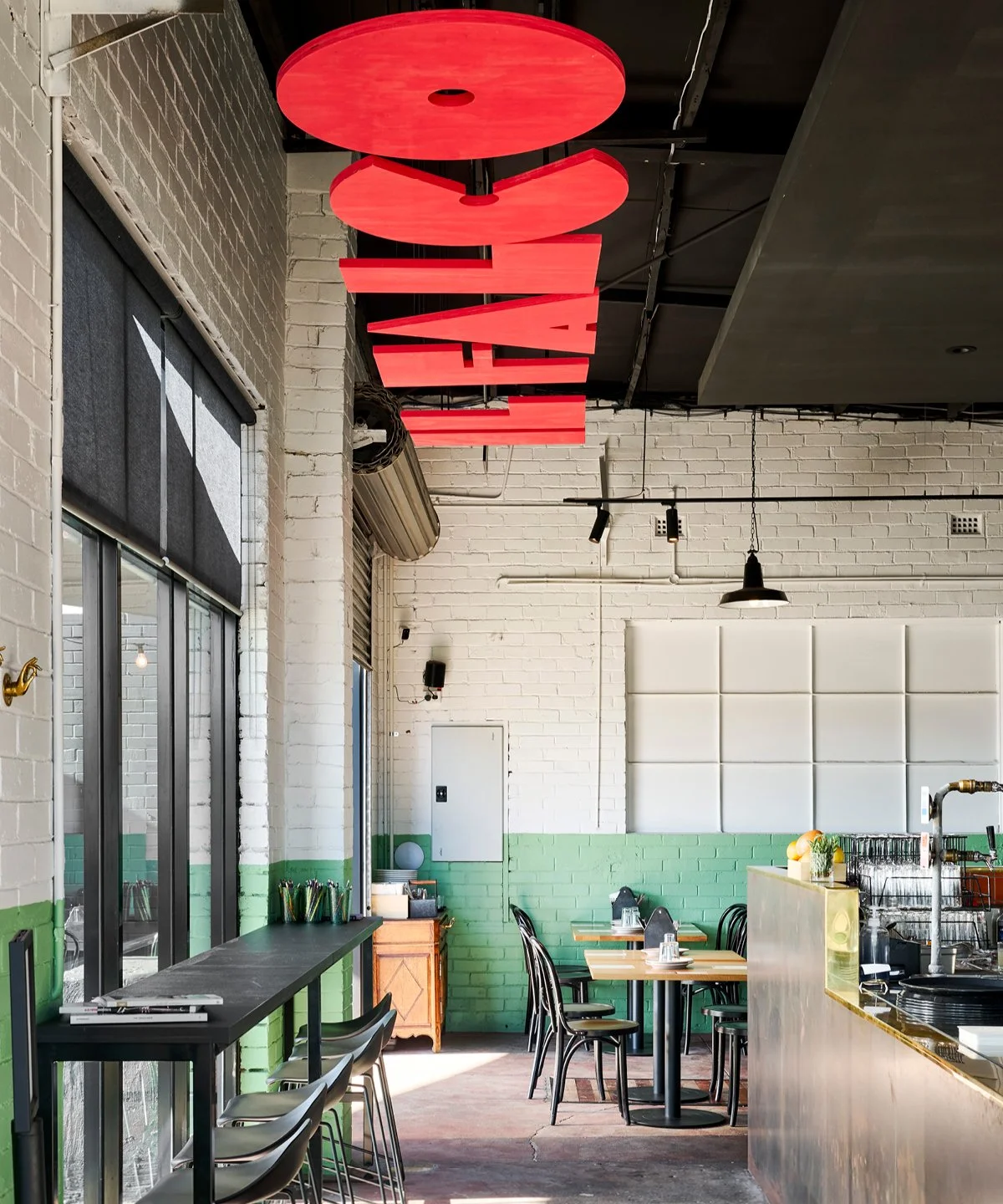

These projects respect the bones of the building, allowing history to guide the design rather than be painted over. In doing so, they reveal a layered kind of beauty—where the past and present sit comfortably side by side.
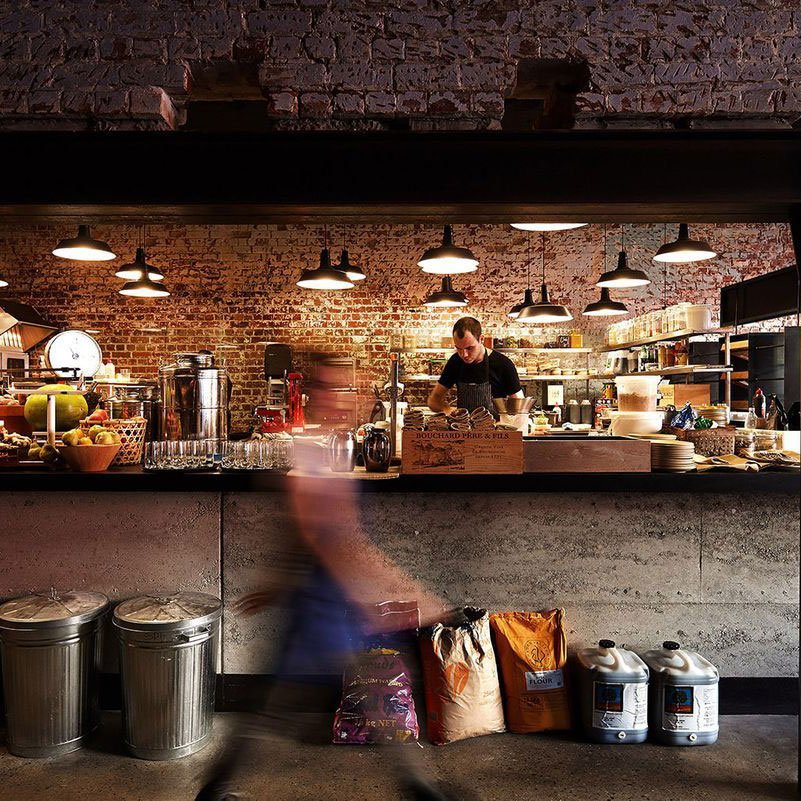
Bread in Common, Fremantle was a former pharmaceutical warehouse was originally built in 1898. Baker, Gotthard Bauer. Today it is a bakery and restaurant that buzzes with energy and actively engages its urban frontage

Surry Hills, Paramount House Hotel occupies a 1930s brick warehouse and 1940s office building, formerly the headquarters of Paramount Pictures Studio. Now its a hotel designed by Breathe Architecture.

The Hudson New York was constructed in 1928 by Anne Morgan, daughter of J. P. Morgan, as the American Women's Association clubhouse. Now it is a hotel designed by Ennead and interior designer Philippe Starck.
