
The brands that age well don't get refreshed.
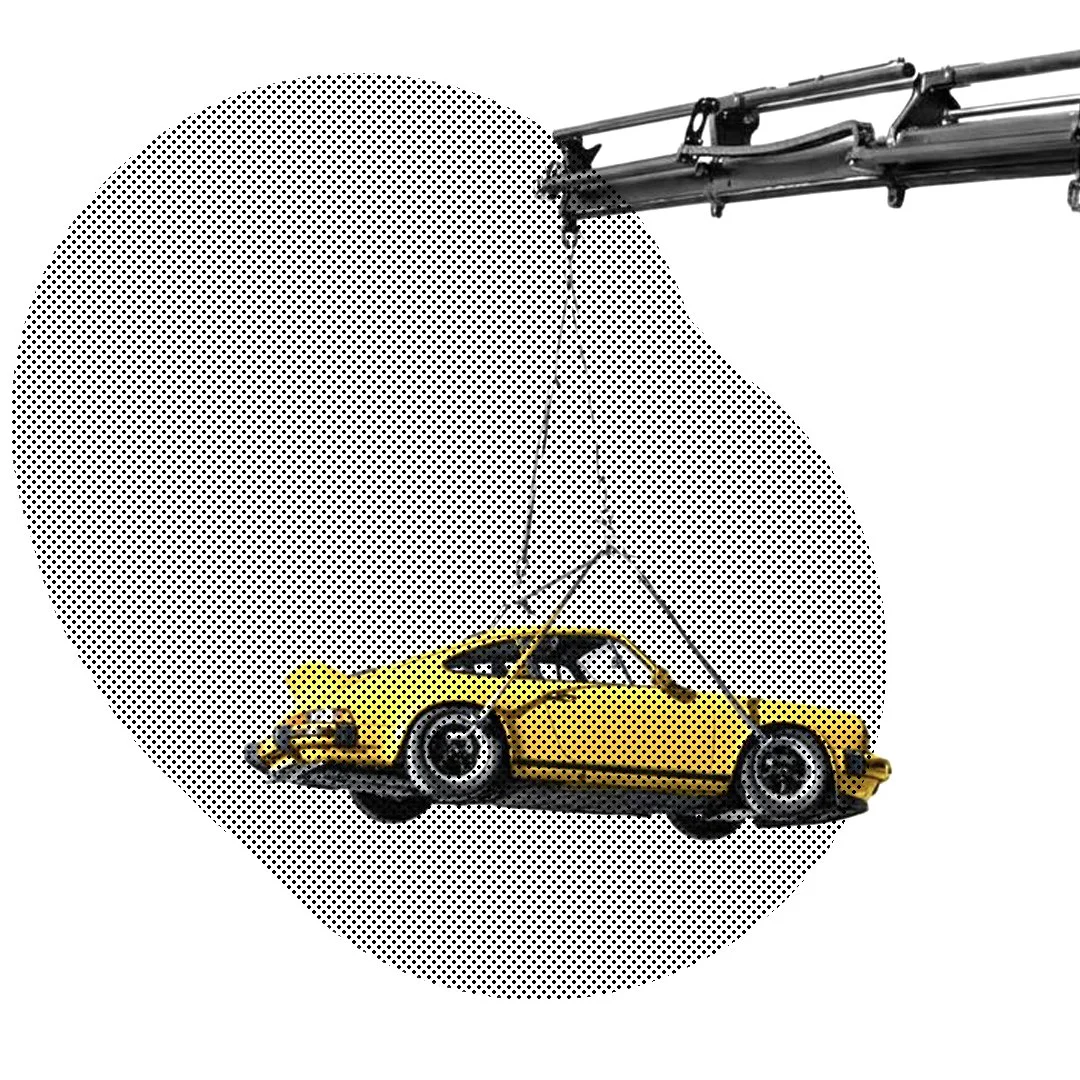
There is a version of the Porsche 911 that was built in 1963. There is another being built right now. If you placed them side by side, you would know immediately...without being told, without knowing anything about cars...that they belong to each other. The roofline. The rear haunches. The way the whole thing sits like it's already moving. Sixty years of engineering evolution, and the silhouette remembers everything.
Porsche's designers have never been asked to start over. They've been asked, generation after generation, to do something harder: to evolve without forgetting. To bring the car forward without losing the thing that made someone fall in love with it in a showroom in 1973, or 1989, or last Tuesday. The brief, underneath all the briefs, has always been the same. Don't break what people remember.
Penguin Books arrived at the same place by entirely different means...and with considerably less horsepower. The penguin itself was sketched in twenty minutes by the founder's secretary in 1935. The horizontal band, the three-colour grid, the quiet insistence on typography over imagery...none of it was the result of a brand strategy document or a positioning workshop. It was a practical solution to a budget problem that accidentally became one of the most enduring visual identities in publishing history. And here's the thing: they've barely touched it since. Not because they haven't had the opportunity. Because they understood, somewhere along the way, that the mark had stopped belonging to the designer and started belonging to the reader. To change it meaningfully would be to take something back that had already been given away.
Two completely different brands. Two completely different categories. The same underlying decision: to protect memory over relevance, knowing...or perhaps just believing...that memory is relevance, given enough time.
This is not an argument against change. Brands that refuse to evolve in any sense become museums, and museums don't have customers, they have visitors. The question isn't whether to touch something. It's whether you know what you're touching before you do.
The word refresh has done quiet damage across the industry. It's become the default frame for a conversation that deserves more precision. A refresh implies the problem is surface...that the logo has aged, that the palette feels dated, that the typography needs to come forward a little. Sometimes that's true. But more often, the brief that begins with we just need to freshen things up is concealing a harder question that nobody in the room has quite named yet. Not what should this look like now, but what has this always meant, and do we still believe in it?
The brands that endure aren't the ones that answered the first question most cleverly. They're the ones that kept returning to the second.
Memory in a brand isn't nostalgia. It's not the heritage wall in the lobby or the anniversary campaign or the archive lookbook. It's the residue of every consistent decision made over time...the things that were protected when it would have been easier, and cheaper, and arguably more rational to let them go. The red tab on a pair of Levi's. The penguin on the spine. The 911 roofline. None of these things need to exist anymore. They exist because someone, at some point, understood that they were the memory...and that the memory was the brand.
The work we find most interesting at Barbitta begins in that same place. Not with a mood board or a palette or a question about what's trending in the category. It begins with: what does this brand already know about itself that we shouldn't touch? Sometimes the answer is very little...and then the work is genuinely generative. But sometimes you're sitting across from something that has been accumulating meaning for decades, and the most valuable thing you can do is resist the instinct to refresh it.
Protection is a design decision too. It just rarely gets the credit.
Read more notes, essays, conversations & fragments from Bitta is the journal arm of Barbitta
