Brand as a Mosaic
The fragment, on its own, means very little. A colour. A texture of paper. The particular way someone answers the phone. A scent that hits you before you've seen anything. These are not, in any conventional sense, brand decisions — and yet they are among the most powerful things a brand ever does.
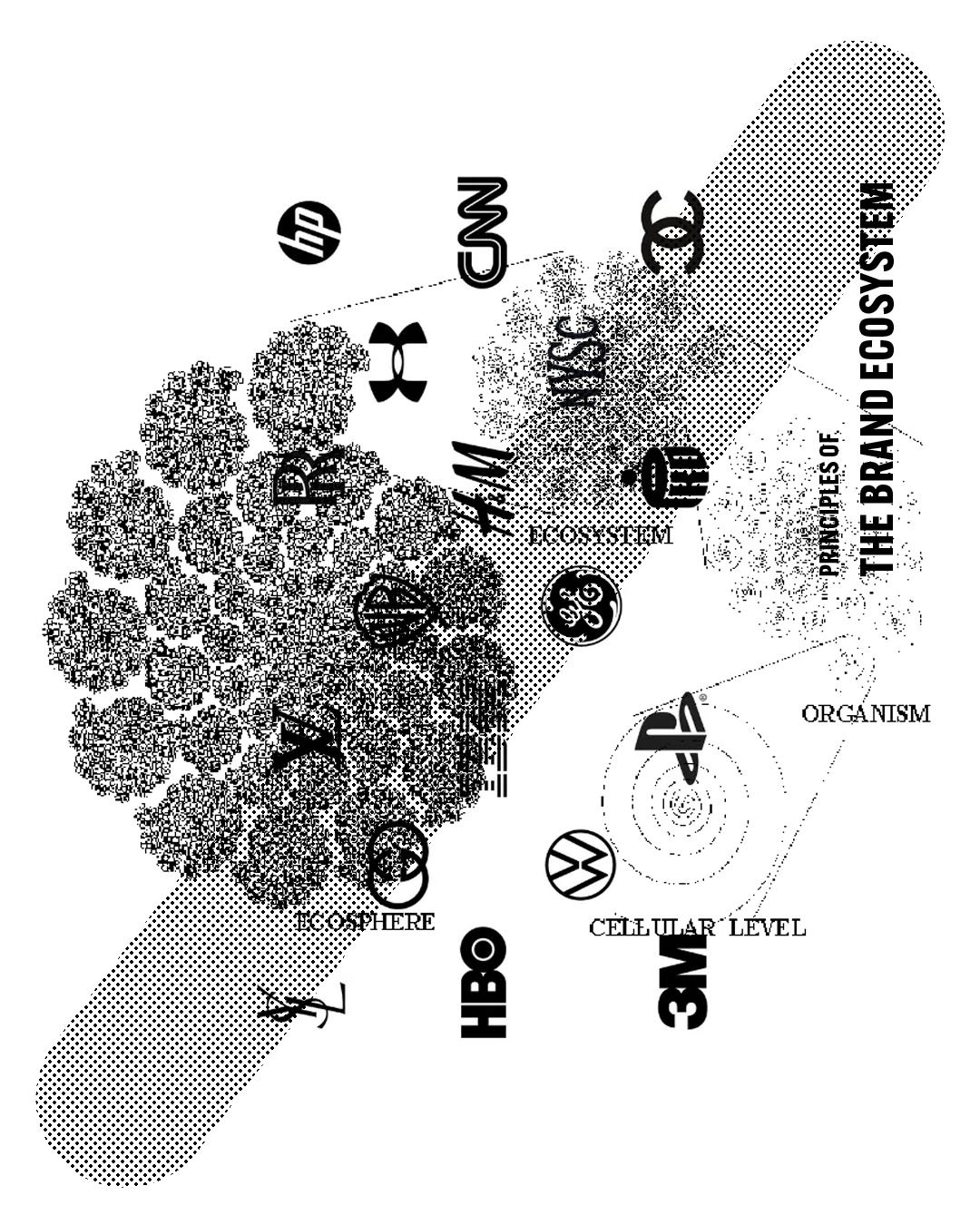
We have a habit of talking about brands as if they are singular objects. A logo. A positioning line. A look. Something that can be completed, signed off, and handed over. But the brands that actually lodge themselves in people's lives…the ones that get recommended without prompting, returned to without thinking…are never really one thing. They are accumulations. Compositions. Mosaics of small, deliberate fragments that only reveal their full picture when you step back far enough to see them whole.
Monocle understood this early. What they built was never really a magazine…it was a sensibility that tiled across print, radio, retail, cafés, and events until the thing you were responding to wasn't any single touchpoint but the entire world they had assembled. Each piece reinforced the others. The sum became the brand.
That kind of coherence is harder than it looks, and it is almost never achieved through control. The temptation in brand thinking is to obsess over consistency…to treat every fragment as a risk to be managed rather than an opportunity to add texture. But mosaics are not made from perfect, identical tiles. They are made from broken pieces, imperfect edges, fragments that were never meant to fit together quite so neatly. The beauty, and the meaning, comes from the composition.
The work, then, is not perfection. It is intentional layering, knowing which fragments carry the most weight, which moments are worth the care, and how the pieces accumulate into something that feels, from a step back, unmistakably itself.
The most enduring brands are not polished statues. They are living mosaics, made meaningful not despite their texture and imperfection, but because of it.